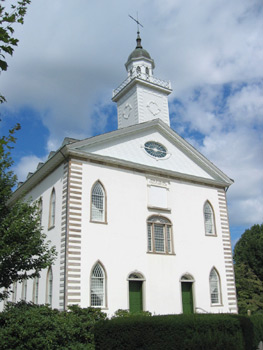
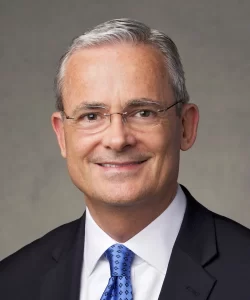
Flush with success after its recent purchase of the Kirtland Temple from its sibling church, Community of Christ, the Church of Jesus Christ of Latter-day Saints announced today that it will be attempting to purchase other historic religious sites. Spokesman Orson Pratt-Whitney-Young explained that although the Church has expanded its temple-building program under the leadership of President Russell M. Nelson, that the acquisition of the Kirtland Temple “opened his mind to a vision of expanding our temple program in another direction.” Specifically, Pratt-Whitney-Young explained that the Church will be making offers of purchase on historic religious sites all over the world that are not related to the Latter-day Saint tradition.
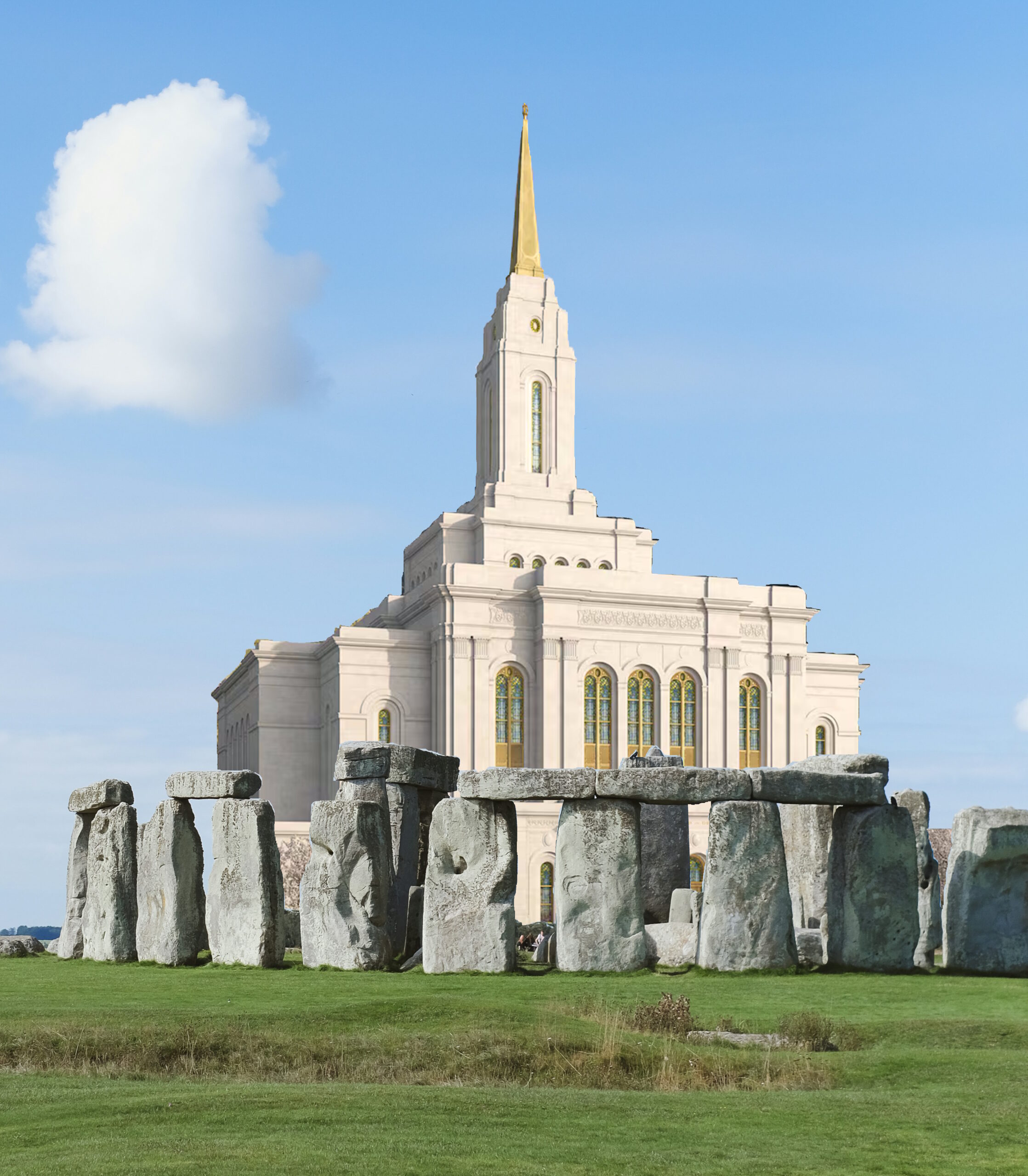
For example, the Church has communicated to the government of England an interest in purchasing Stonehenge, the famed prehistoric megalithic structure. Although the site dates back to around 3100 BC and the Latter-day Saint Church only to 1830 AD, Pratt-Whitney-Young explained that some members of the Church believe there is a connection through the Jaredites, a group of people who fled the Tower of Babel in one of the faith’s books of scripture, the Book of Mormon. (In a later question-and-answer session, Young added that a former Church member is planning to publish a book outlining the connection, to be titled The Stonehenge Hypothesis.) Although the Crown has shown no interest in selling, Pratt-Whitney-Young maintained that the Church remains hopeful. He supplied an artist’s rendition of what the site would look like after the Church had made some “minor modifications” to “ensure the security of the site.” All would be welcome to visit the site once the Church owned it, he explained, although only qualified members of the faith would be permitted in the “tastefully small” Latter-day Saint temple to be built inside the iconic ring of massive stones.
In addition to Stonehenge, Pratt-Whitney-Young listed the following sites that the Church will be attempting to purchase from their current owners:
- Notre-Dame de Paris in Paris, France
- Hagia Sofia Grand Mosque in Istanbul, Turkey
- The statue Christ the Redeemer in Rio de Janeiro, Brazil
- Saint Basil’s Cathedral in Moscow, Russia
Pratt-Whitney-Young conceded on questioning that none of the other governments or religious organizations who currently own these sites has shown interest in selling. He pointed out, though, that the Latter-day Saint Church has “been led to amass great wealth by the hand of the Lord” (the Church has large real estate holdings, as well as a stock portfolio valued in the hundreds of billions of dollars) and that this wealth might be used to change the minds of reluctant government and religious officials. “Governments trust in the arm of flesh, and this leads them to the iniquity of endless borrowing,” he explained. “Perhaps one day when their debt grows too great, they will see the wisdom in accepting our offers.”